
Crate Washers and Washing Lines
High Capacity Crate Washing Line
The High Capacity Crate Washing Line is an industrial crate washing machine for large volumes: crates pass through prewashing, main washing, rinsing and drying in one continuous flow, at a capacity of 2,000 crates per hour. This automatic crate washer is built for continuous use in the food, beverage, bakery, meat and fish industries.
Staged water recirculation keeps water and detergent consumption under control, and the stainless steel construction is easy to keep clean. The line is sized to your production volume and is designed and built at Pohjaranta's factory in Säkylä, Finland.
- crates per hour
- 2,000 / h
- stages from prewash to drying
- 4
- supply voltage
- 400 V

- Made in FinlandDesigned and built in Säkylä
- 300+ projects deliveredFor industrial sites since 1992
- Installation and commissioningTest run and operator training
- System
- Washing Systems
- Category
- Washing Lines
- Industries
- BakeryBeverageFishFoodMeat
What the crate washer cleans
The line is intended for returnable plastic crates and transport boxes that are washed in large numbers every day. The same line technology is also used as a tray washer for beverage trays, and the line can be configured for crates of different sizes, so one washing line can handle your whole returnable packaging flow.
In the food and beverage industries a transport crate circulates together with the products, so its cleanliness has a direct effect on food safety. The wash result therefore has to be the same for every crate, including at the end of a shift and at peak throughput.
The washing process, stage by stage
Prewash. High-pressure water jets remove visible dirt and debris before the main wash.
Main wash. Hot water and precisely dosed detergent clean the crates thoroughly.
Rinse. Clean water rinses off detergent residue, leaving the crates ready for reuse or the next production stage.
Drying. Fans blow the water off so the crates return to production dry.
Each stage has its own section, so soil loosened in the prewash does not end up in the main wash solution. A separate disinfection unit can be added where required.
Water and energy use
Water is recirculated in stages: the cleanest water is used in the final rinse and then reused in earlier stages. In one delivered crate washing line, for example, the final rinse water is recirculated to the pre-rinse and the wash tanks are thermally insulated. With a pump station, water collected under the dryer can also be returned to the washer.
The wash temperature is set per programme, and heat recovery is available as an option for the wash units.
Integration with destackers, stackers and conveyors
The crate washing line can be built into a wider crate handling system. In delivered lines a destacker has unstacked two crates at a time, the crates have been turned upside down to drop loose debris before washing, and the clean crates have been stacked automatically onto a stack conveyor. A dirty crate store and a palletizing robot can also be connected to the line.
Construction, controls and maintenance
The frame and wash sections are made of stainless steel, and the construction is designed for easy cleaning and maintenance. In delivered lines liftable tunnel covers make servicing easier, and the line is controlled by Siemens PLC logic with a touch screen. The electrical connection is 400 V.
Pohjaranta designs the mechanics and automation itself, builds the line at its own factory in Säkylä and test runs it before delivery.
Technical Data
- Capacity
- 2000 pcs/h
- Electric connection
- 400V
Images and videos
Frequently asked questions
What is the capacity of the line?
The High Capacity Crate Washing Line is rated at 2,000 crates per hour. For smaller volumes or tight spaces a line can be built from single-row units, and a two-row construction doubles the capacity of a single-row line.
Can the same line wash crates and beverage trays?
The line technology can be configured for both crates and beverage trays. Separate wash programmes are set up for different products, and the dryer is chosen to suit the item.
How dry are the crates after washing?
Residual water depends on the crate design and the dryer configuration. In delivered lines it has been 6–12 grams per crate, and below 2 grams at best.
Can disinfection be added?
Yes. The disinfection unit is installed as an extension of the washing line or as a separate stage, and it is sized to the line capacity.
Related Products
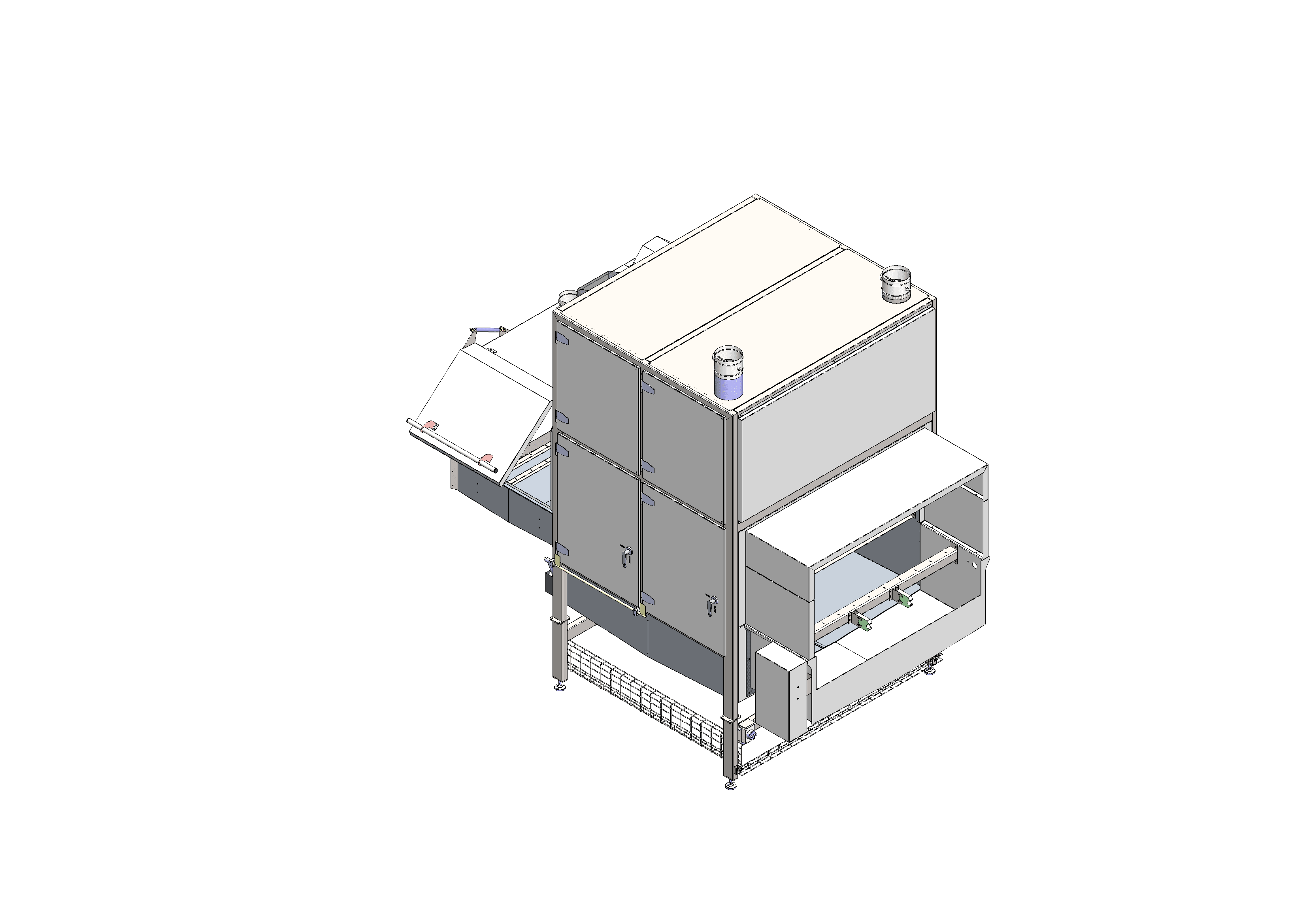
Mould Washing Machine for the Food Industry
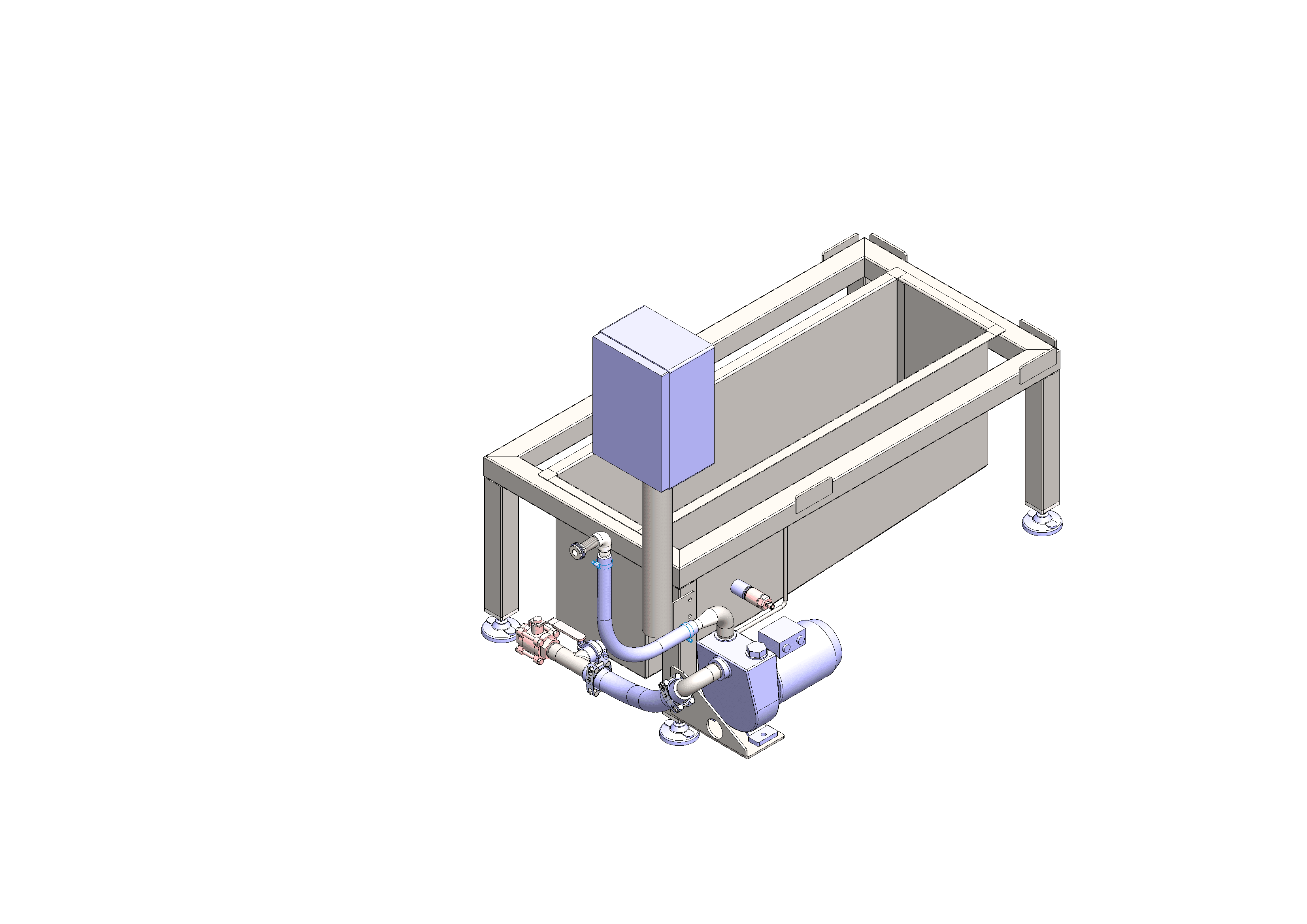
Crate Washing Line Pump Station

Tyre Washing Machine
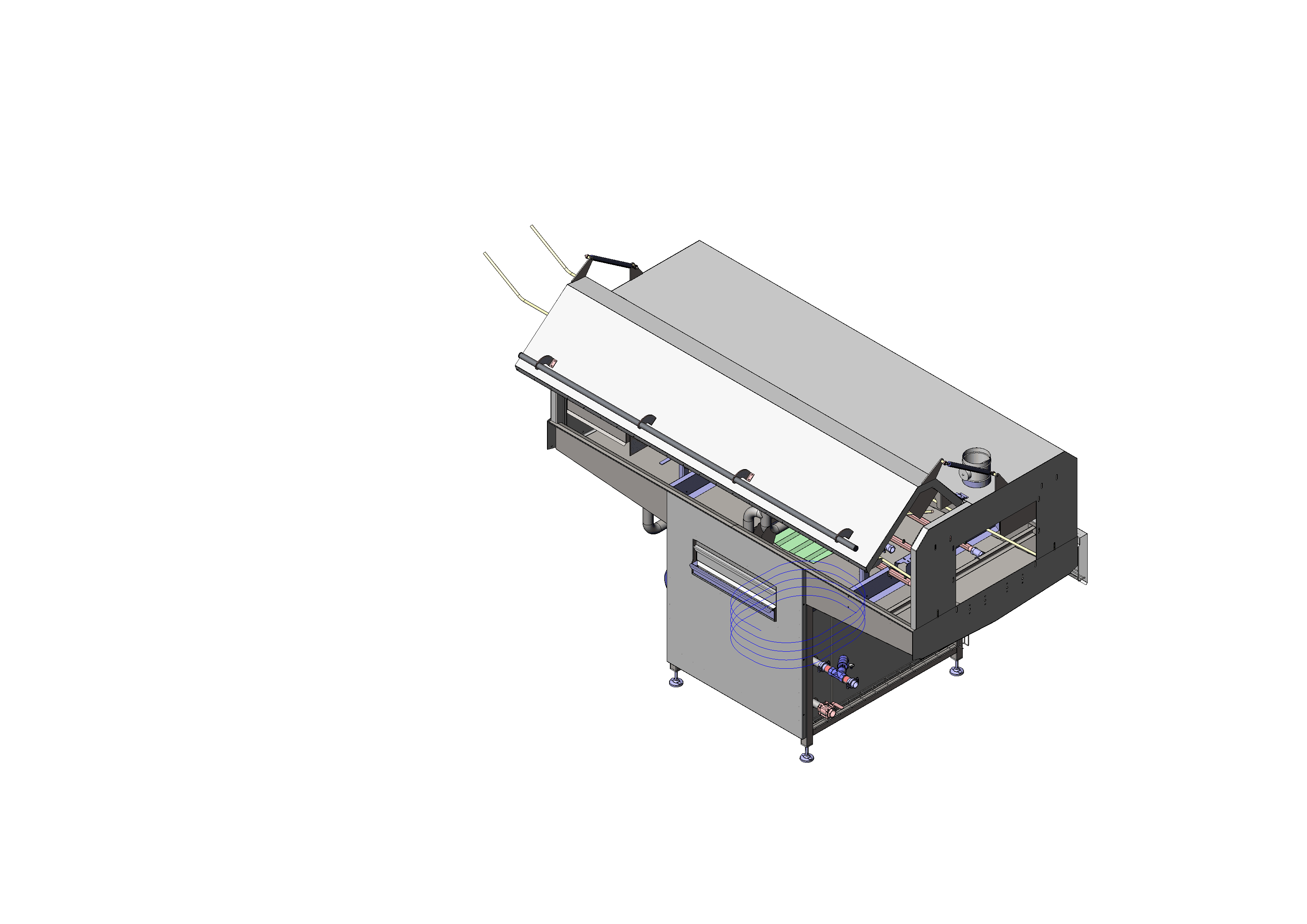
Crate Washer Prewash Unit – Single Row
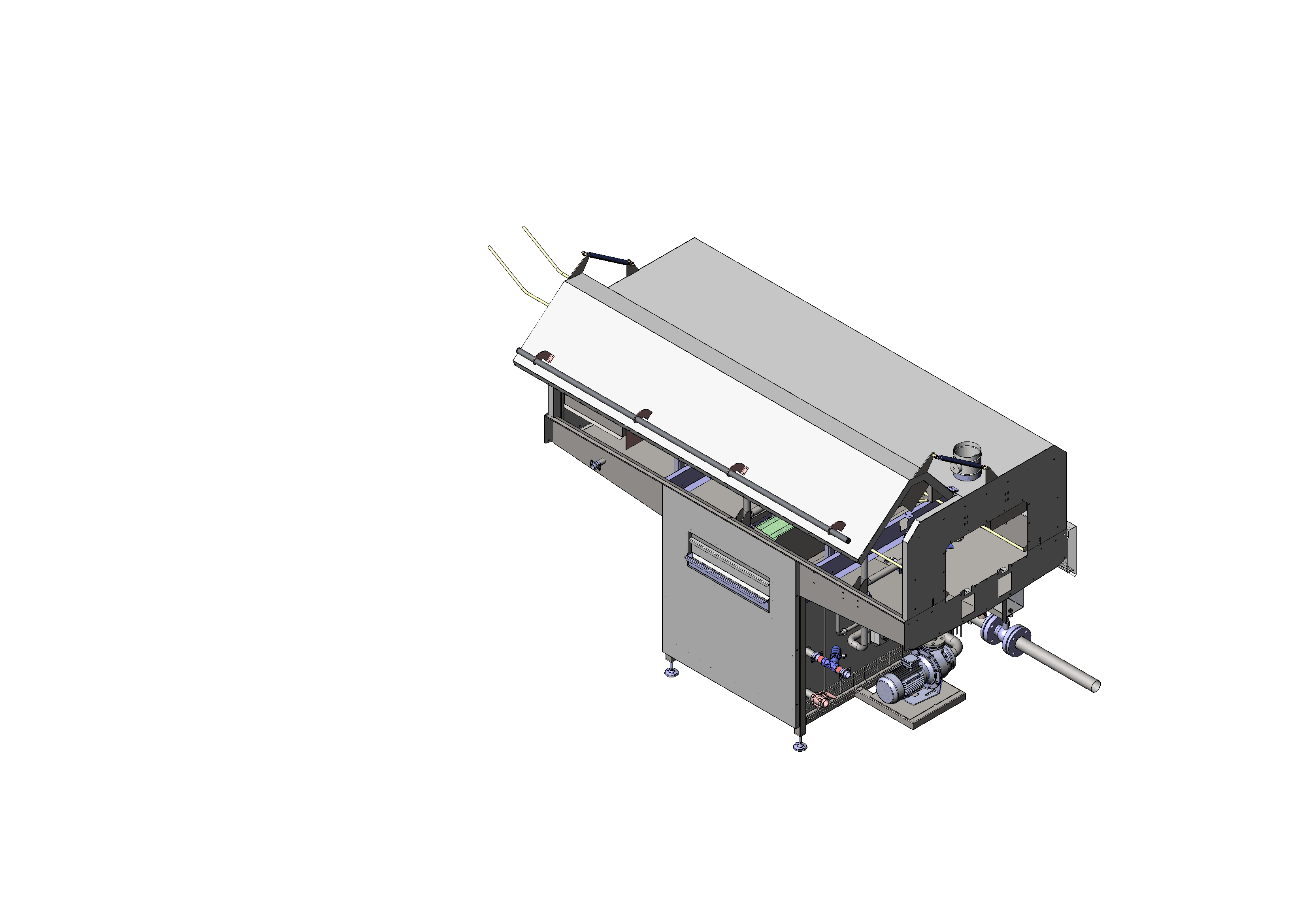
Crate Washer Rinse Unit – Single Row
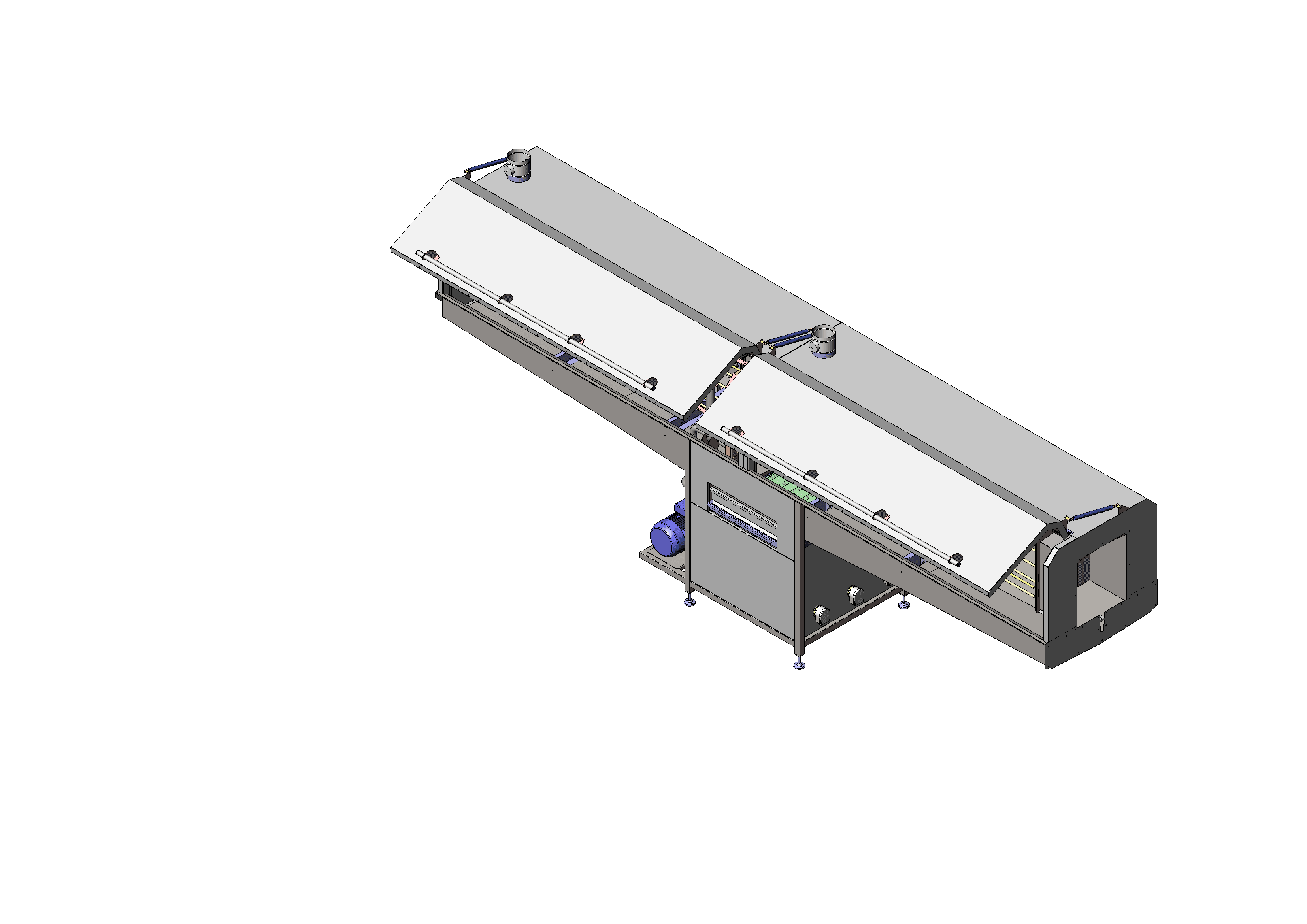
Crate Washer Wash Unit – Single Row
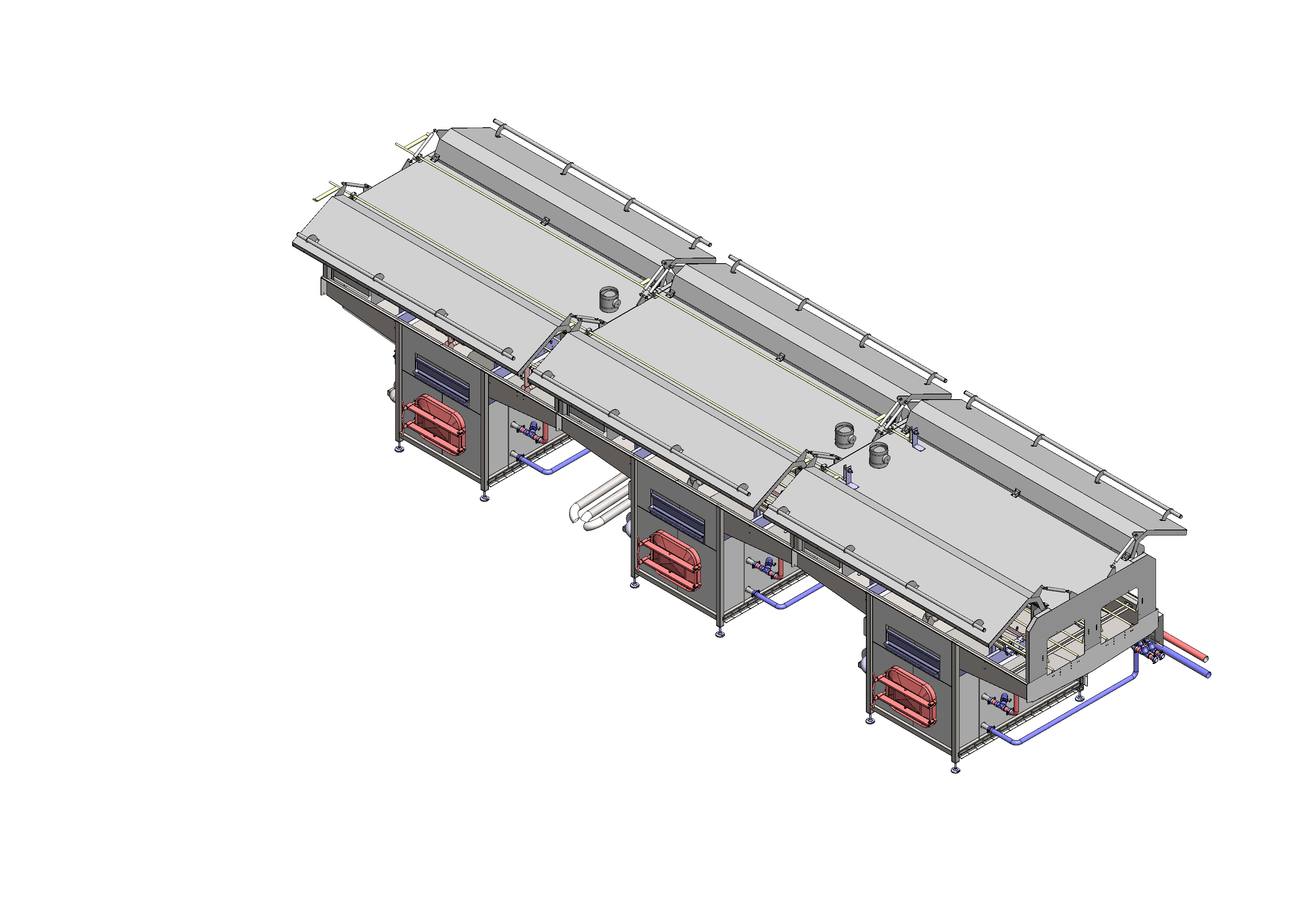
Two Row Washing Line without Drum — Complete Line
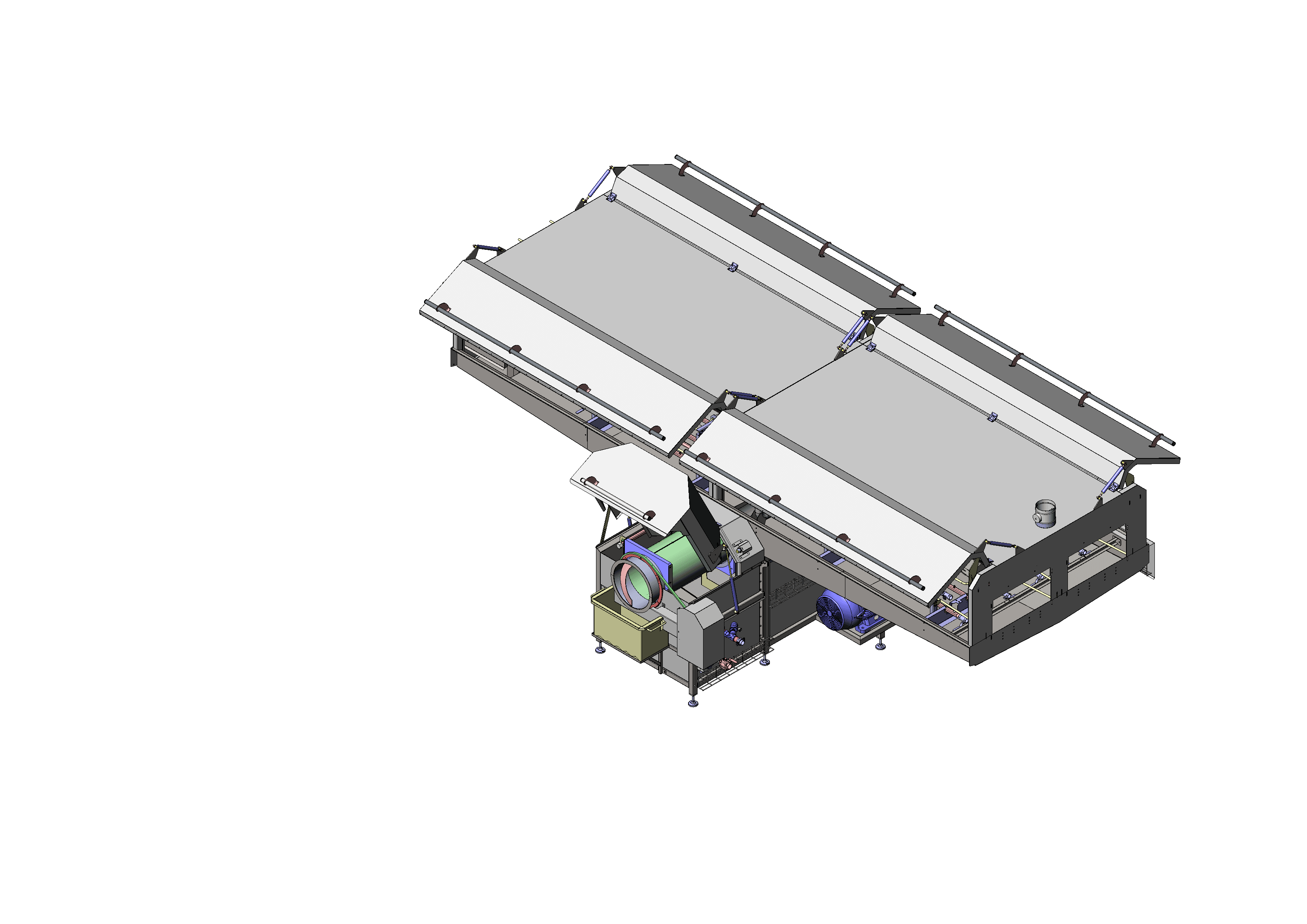
Crate Washer Prewash Unit – Two Row, Drum Screen
Interested?
Contact us and tell us about your needs. We'll tailor a solution that meets your requirements.
Contact Us